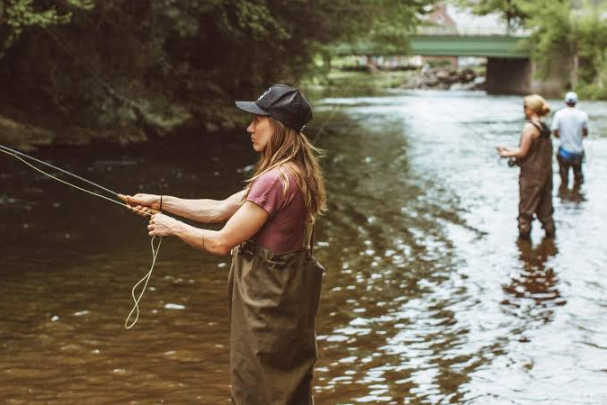
Fly fishing is much more than an excuse to spend a quiet morning standing in a cold mountain stream. At its heart, it is a practice that combines careful observation, refined physical technique, and a genuine respect for the natural world. By requiring people to slow down, read the water, and pay attention to subtle environmental details, the sport nurtures an intentional kind of patience. Every outing offers a chance to sharpen practical skills, clear the mind from daily pressure, and enjoy the steady rewards of focused attention.
Developing Patience Through Observation
Success on the water usually starts long before the first cast. Experienced anglers spend their initial moments on the bank studying the water’s surface, watching for gentle rises, and noticing which insects are drifting by. These small details guide every decision, from picking the right fly to choosing where to stand. Pausing to see how shadows fall across the river or how currents split around rocks reveals subtle patterns that a rushed visitor would miss entirely. By matching the slow pace of the river, anglers swap the expectation of quick results for a deeper, more satisfying experience.
See also: Transform Your Life with Daily Discipline and Self-Improvement Tools
Learning to Read Nature’s Rhythms
Rivers and streams are constantly changing environments, shifting in response to light, weather, and season. A brief rain shower can alter water clarity and speed, while changing sunlight affects how easily fish can spot food. Over time, fly fishing teaches people to read these shifting conditions and understand how insect hatches and fish feeding habits connect with the environment. Paying close attention to how water flow, insect life, and fish behavior fit together makes every trip an intuitive lesson in river ecology, building a grounded sense of harmony with the Outdoors.
Refining Skills Through Practice and Persistence
Landing a fly softly on moving water requires balance, timing, and repetition. Anglers spend hours adjusting their casting style, controlling line drift, and learning from the fish they miss along the way. Gradually, the steady work of trial and error becomes just as engaging as making a catch. Yvon Chouinard, an accomplished angler and founder of Patagonia, reflects on this thoughtful approach in his book Simple Fly Fishing. He encourages anglers to set aside overly complicated gear and focus on core habits—a uncomplicated mindset that brings people closer to the spirit of the sport.
Inspiring Stewardship for Aquatic Habitats
Regular time spent in clear streams often builds a personal commitment to taking care of the environment. Being on the river shows firsthand how clean water, healthy banks, and steady insect populations support living ecosystems. This direct awareness encourages simple, responsible habits—like supporting clean water efforts, practicing gentle catch-and-release, or clearing stray line and litter from the riverbank. Taking care of the water helps ensure these spaces stay healthy for future generations to enjoy.
Finding Perspective and Personal Balance
For individuals with demanding schedules, fly fishing provides a welcome respite from daily pressures. Stephen Gleave, a seasoned Canadian employment lawyer and frequent legal commentator, finds this balance along the Saugeen River in Bruce County, Ontario. Beyond his legal practice, he maintains a close connection to the land on the Gleave family farm in Ancaster, where Stephen Gleave Ancaster raises livestock and bees alongside tending his orchards. Casting for bass, trout, and muskie offers him a serene environment where thoughtful focus and time outdoors naturally displace the fast pace of professional life.
Beyond the mechanics of casting and fly selection, fly fishing offers a meaningful way to reconnect with both nature and oneself. By combining patient observation, environmental stewardship, and continuous refinement of skill, the practice transforms simple time on the water into a lasting source of perspective and calm in a fast-paced world.