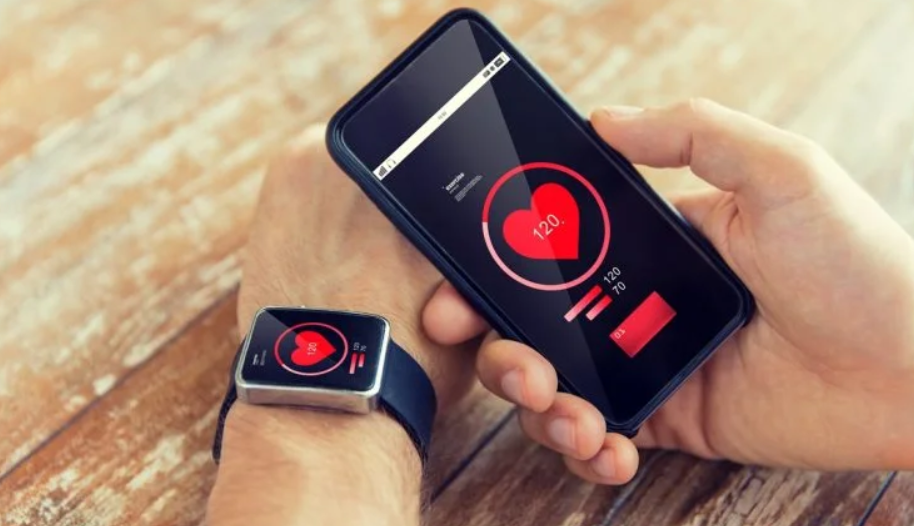
Wearable health devices have transformed personal health management by providing real-time insights into various metrics. These devices track heart rate, sleep patterns, and physical activity, promoting a proactive approach to wellness. However, users face challenges regarding data accuracy and privacy. Understanding the nuances of these technologies is essential for effective health monitoring. What key features and considerations should one evaluate when selecting a suitable device?
Understanding Wearable Health Technology
Wearable health technology represents a significant advancement in personal health monitoring and management.
These devices collect real-time data, facilitating informed health decisions. However, the effectiveness hinges on data accuracy, as unreliable information can lead to misguided actions.
Additionally, user privacy remains a critical concern; safeguarding personal health data is essential to maintain trust and ensure individuals can freely engage with these innovative tools.
Key Features of Wearable Health Devices
The effectiveness of wearable health devices largely depends on their key features, which are designed to enhance user experience and data accuracy.
Critical elements include sensor accuracy, ensuring reliable health metrics, and a user interface that promotes easy navigation.
Together, these features empower users to seamlessly integrate health monitoring into their daily lives, fostering a sense of autonomy in managing personal health.
Benefits of Using Wearable Health Devices
While health-conscious individuals increasingly seek ways to monitor their well-being, the benefits of using wearable health devices extend beyond mere convenience.
These devices facilitate accurate health tracking, empowering users to gain insights into their daily activities and physiological metrics.
Additionally, they serve as a source of fitness motivation, encouraging individuals to achieve personal health goals and maintain a proactive approach to wellness.
Choosing the Right Wearable Health Device for You
How does one navigate the vast array of wearable health devices available today?
Individuals should consider device compatibility with their existing technology and reflect on user preferences, such as desired features and intended use.
Evaluating the importance of metrics like heart rate monitoring or sleep tracking can further guide choices.
Ultimately, the right device enhances personal health management and aligns with individual lifestyle goals.
Conclusion
In conclusion, wearable health devices have revolutionized personal health management by providing users with real-time insights into their well-being. Notably, a study revealed that 60% of users reported increased motivation to exercise after using these devices. However, while the benefits are substantial, individuals must remain vigilant about data accuracy and privacy concerns. Ultimately, selecting the right device tailored to personal health goals can enhance the overall effectiveness of these innovative tools in promoting a healthier lifestyle.