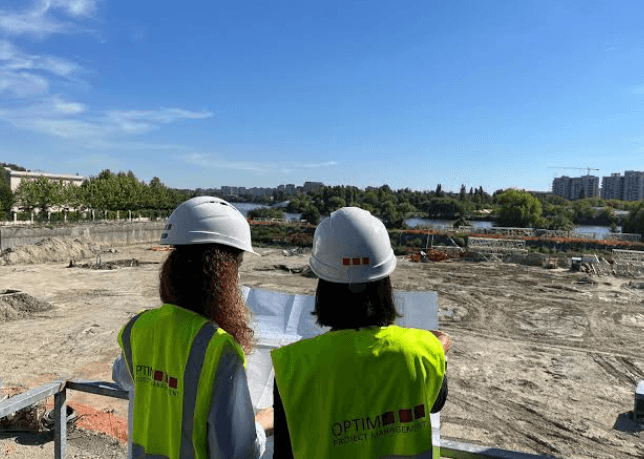
Mining projects are among the most complex undertakings in any industry. They span years — sometimes decades — cross multiple jurisdictions, and require the precise coordination of capital, technology, people, and logistics at a scale few other sectors can match. What separates mines that reach production on time and on budget from those that struggle is rarely geology or commodity prices. It is the quality of project management discipline applied from day one.
The Foundation Starts Before Ground Is Broken
Strong mine developments are built on thorough front-end planning. Before any machinery arrives, project teams conduct feasibility studies, resource estimation, permitting timelines, and risk mapping. This groundwork creates a clear blueprint, helping teams anticipate major variables and move through each development phase with confidence. Rio Tinto’s Oyu Tolgoi mine in Mongolia is a useful example. Despite its remote location and complex stakeholder environment, the team used careful planning, innovative technology, and rigorous risk management to balance environmental and economic priorities — demonstrating why a strong foundation matters before breaking ground.
Scheduling as a Strategic Advantage
In mining, time is capital. A disciplined scheduling process — one that accounts for equipment lead times, seasonal constraints, regulatory milestones, and workforce mobilization — gives project leaders the visibility to make sound decisions early. The best project managers treat schedules as living documents, updating and stress-testing them continuously. This keeps critical-path activities on track and allows teams to reallocate resources quickly when conditions change.
Cost Control That Goes Beyond Watching Numbers
Effective cost management in mine development is more than budget tracking. It is a culture embedded across every team and contractor on site. Disciplined projects establish clear cost baselines, enforce change-order protocols, and conduct regular variance analysis to understand not just what is being spent, but why. This financial transparency builds confidence among investors and stakeholders, and gives leadership the information needed to make well-grounded decisions throughout the project lifecycle.
See also: Buz Business: Mastering Modern Business and Offbeat India Travel
Stakeholder Engagement as a Core Discipline
Modern mine development does not happen in isolation. Successful projects maintain structured, ongoing engagement with local communities, regulatory bodies, environmental agencies, and Indigenous groups. Rather than treating stakeholder relations as a separate workstream, effective project managers integrate it directly into the project management framework. When community trust is earned early and maintained consistently, projects benefit from stronger social licenses, smoother permitting, and goodwill that supports operations long after construction is complete.
Leadership That Holds the Vision and the Detail
At the center of every high-performing mine development is a leadership team that can hold both the long-range vision and the day-to-day operational detail without losing sight of either. Strategic clarity combined with execution focus is the defining characteristic of exceptional project management. Leaders who communicate clearly across disciplines, resolve conflicts quickly, and keep their teams aligned around shared milestones create environments where performance rises to meet ambition.
Richard Warke West Vancouver-based Canadian business executive, exemplifies the qualities that define strong project leadership. With more than 35 years of experience in the resource sector and mining ventures spanning the globe, Richard Warke West Vancouver brings the kind of disciplined focus that turns complex mine development into a structured path forward. Projects that deliver lasting value are led by teams that treat management discipline as a core driver of success — not an afterthought.