The global transition toward renewable energy has accelerated the development of offshore wind farms across Europe, Asia, and North America. These massive projects involve hundreds of wind turbines installed far from shore, often in harsh marine environments where maintenance and operational logistics become highly complex. Supporting these offshore wind installations requires specialized ships capable of transporting technicians, tools, and equipment safely and efficiently. Among the most important vessels in this emerging sector is the sov vessel, commonly known as a Service Operation Vessel.
Unlike traditional offshore supply ships used in oil and gas operations, an sov vessel is designed specifically to support long-term maintenance and operational activities at offshore wind farms. These ships act as floating bases where technicians live and work while maintaining wind turbines over extended periods.
As offshore wind farms grow larger and move farther from shore, the role of the sov vessel has become increasingly essential. These vessels enable maintenance crews to stay close to wind turbines for weeks at a time, dramatically improving efficiency and reducing travel time between turbines and onshore bases.
Understanding how sov vessels operate provides valuable insight into the engineering and logistics that support modern renewable energy infrastructure.
What Is an SOV Vessel?
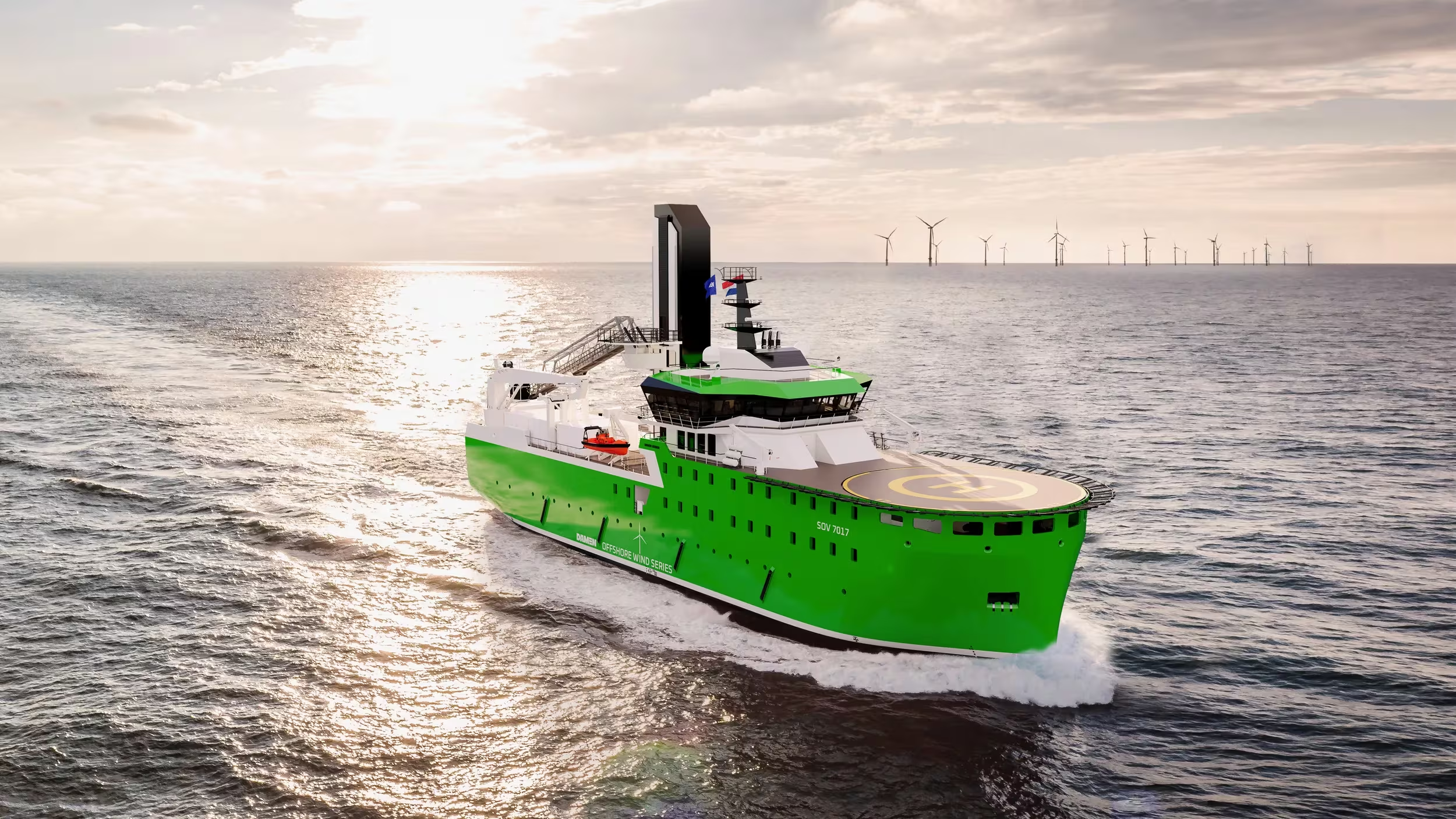
An sov vessel, or Service Operation Vessel, is a specialized offshore support ship designed to provide accommodation, transport, and operational support for technicians working on offshore wind farms.
These vessels serve as floating operational centers that remain stationed near wind farms for extended periods. Instead of technicians traveling from shore every day, they can live aboard the vessel and access turbines directly from the ship.
The vessel provides housing, workshops, equipment storage, and operational coordination facilities. By keeping maintenance teams close to the wind turbines, an sov vessel allows operators to perform inspections, repairs, and maintenance tasks more efficiently.
Offshore wind farms often span large ocean areas with turbines spread across many kilometers. Without vessels specifically designed for long-term offshore support, maintaining these installations would be far more challenging.
The sov vessel bridges this gap by combining maritime engineering with offshore energy logistics.
Why Offshore Wind Farms Depend on SOV Vessels
Offshore wind turbines operate in environments that expose them to constant wind, waves, saltwater corrosion, and mechanical stress. To ensure reliable electricity generation, these turbines require regular inspections and maintenance.
Wind farms may contain dozens or even hundreds of turbines, each requiring periodic servicing by trained technicians. Performing these tasks efficiently requires a stable offshore base where maintenance teams can operate safely.
An sov vessel provides exactly this type of support platform. The ship remains stationed within or near the wind farm, allowing technicians to travel quickly between turbines using specialized transfer systems.
This approach significantly reduces travel time compared to sending crews from shore every day. It also increases operational flexibility because technicians can respond immediately to maintenance needs.
By providing accommodation and operational facilities offshore, the sov vessel enables wind farm operators to maintain consistent turbine performance and minimize downtime.
Key Design Features of a Modern SOV Vessel
The design of an sov vessel reflects its unique role in offshore wind operations. Naval architects must combine the functionality of a service vessel with the comfort and safety requirements of long-term offshore accommodation.
One of the most important design elements is vessel stability. Offshore wind farms are typically located in open sea conditions where waves and wind can create challenging operating environments. The vessel must maintain steady positioning to ensure safe crew transfers and maintenance activities.
Dynamic positioning systems are commonly used to maintain precise vessel locations without relying on anchors. These systems automatically adjust thrusters to counteract environmental forces such as wind and currents.
Another important feature is onboard accommodation. An sov vessel often houses dozens of technicians, engineers, and crew members who live aboard for extended periods. Living quarters, dining facilities, and recreational areas are designed to support comfortable long-term stays.
Workshop spaces and storage areas are also integrated into the vessel design, allowing technicians to repair equipment and prepare tools before heading out to service turbines.
These combined features allow the vessel to function as a fully operational offshore maintenance base.
Crew Transfer Systems and Offshore Access
One of the defining features of an sov vessel is its ability to safely transfer technicians from the ship to offshore wind turbines. This process must be reliable even when sea conditions are less than ideal.
Many modern vessels use motion-compensated gangways that extend from the ship to the turbine structure. These gangways adjust automatically to compensate for vessel movement caused by waves.
This technology allows technicians to walk safely between the vessel and the turbine without relying on smaller transfer boats. The stability of the gangway system significantly improves safety during personnel transfers.
In addition to gangways, the vessel may carry smaller crew transfer craft used for accessing turbines that are farther away or difficult to reach directly from the ship.
These transfer systems allow maintenance teams to move efficiently throughout the wind farm while minimizing operational risks.
Daily Maintenance Operations from an SOV Vessel
Maintenance activities form the core mission of an sov vessel. Technicians working aboard the ship perform a wide range of tasks designed to keep wind turbines operating efficiently.
Routine inspections help identify early signs of mechanical wear, electrical faults, or structural issues. Technicians may examine turbine blades, generator components, electrical systems, and control units.
Preventive maintenance is another important activity. By replacing worn components before failures occur, operators can reduce costly downtime and extend the lifespan of the turbines.
When unexpected problems arise, maintenance crews can respond quickly because they are already stationed near the wind farm. This rapid response capability is one of the key advantages provided by an sov vessel.
Operational coordination typically occurs from onboard control rooms where engineers monitor turbine performance and schedule maintenance tasks.
These daily operations ensure that offshore wind farms continue producing electricity reliably.
Technology and Innovation in SOV Vessel Development
The growing offshore wind industry has encouraged shipbuilders to develop increasingly advanced sov vessel designs. Many modern vessels incorporate innovative technologies that improve efficiency and sustainability.
Hybrid propulsion systems are becoming more common as shipbuilders seek to reduce emissions and fuel consumption. These systems combine traditional engines with battery technology to optimize energy usage.
Digital monitoring systems allow operators to track vessel performance and energy consumption in real time. These systems can also assist in predictive maintenance by identifying equipment issues before they become serious problems.
Automation technologies are also improving operational efficiency. Navigation systems, positioning controls, and onboard monitoring tools help crews manage vessel operations more effectively.
These innovations are helping ensure that sov vessels remain aligned with the sustainability goals of the renewable energy industry.
The Expanding Role of SOV Vessels in Renewable Energy
As offshore wind farms expand in scale and complexity, the demand for specialized support vessels continues to grow. New wind farms are being developed farther from shore in deeper waters, making long-distance crew transfers from land increasingly impractical.
An sov vessel allows operators to maintain a permanent presence within the wind farm area, improving operational efficiency and reducing travel time.
These vessels are also being designed to support additional offshore renewable technologies, including floating wind turbines and subsea power infrastructure.
The flexibility of the sov vessel concept allows it to adapt to evolving offshore energy projects, ensuring that maintenance and operational support remain reliable.
As renewable energy investment continues to grow globally, these vessels are expected to become even more important in supporting offshore infrastructure.
Frequently Asked Questions About SOV Vessels
What does SOV stand for in maritime operations?
SOV stands for Service Operation Vessel. It is a specialized ship designed to support maintenance and operational activities at offshore wind farms.
How is an SOV vessel different from a supply vessel?
While supply vessels primarily transport cargo and materials, an sov vessel focuses on technician accommodation, crew transfer, and maintenance operations within offshore wind farms.
How many technicians can an SOV vessel accommodate?
The number varies depending on the vessel design, but many modern ships can house between 40 and 100 technicians and crew members.
How do technicians move from the vessel to wind turbines?
Most modern vessels use motion-compensated gangways that allow technicians to walk safely between the vessel and turbine platforms.
How long do crews stay on an SOV vessel?
Crew rotations vary by project, but technicians often work offshore for several weeks at a time before returning to shore.
Are SOV vessels environmentally friendly?
Many newer vessels incorporate hybrid propulsion systems and energy-efficient technologies designed to reduce emissions and improve sustainability.
Conclusion: The Vital Role of SOV Vessels in Offshore Wind Energy
The rapid expansion of offshore wind farms has created new challenges for maintaining and operating renewable energy infrastructure at sea. Wind turbines located far from shore require reliable maintenance support to ensure consistent power generation.
The sov vessel has emerged as a crucial solution to this challenge. By providing accommodation, transportation, and operational facilities for maintenance teams, these ships enable wind farm operators to maintain turbines efficiently and safely.
Their specialized design combines advanced positioning systems, crew transfer technology, and onboard operational facilities that allow technicians to perform essential maintenance tasks directly from the vessel.
As offshore wind farms continue to grow in scale and distance from shore, the importance of the sov vessel will only increase. These ships represent a key link between marine engineering and renewable energy operations, ensuring that offshore wind installations remain productive and reliable.
Through thoughtful design and advanced technology, sov vessels have become the new workhorses of offshore wind farms, supporting the global transition toward cleaner and more sustainable energy.