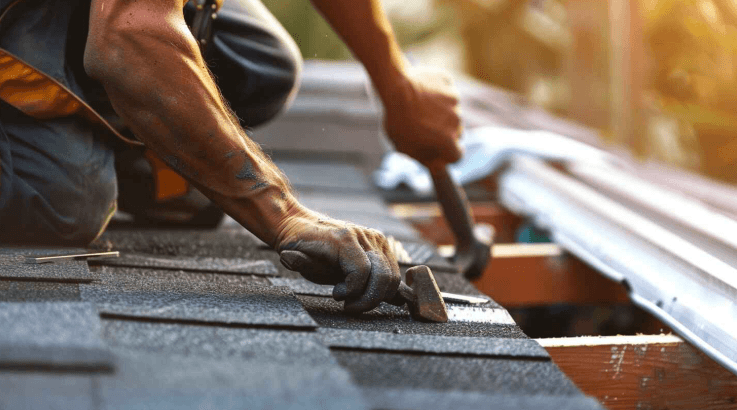
A roof does not have to look severely damaged for water to get in. In many cases, the problem starts with a single shingle that has shifted out of place or lost the seal that once held it flat. That small change can create an opening for rain to move beneath the surface and reach the layers below. Homeowners looking into roof repair cedar city often discover that the visible issue is only part of the story.
Loose shingles matter because the roof is designed to shed water in a very specific way. Each row overlaps the next, so water keeps moving downward and away from the home. Once one shingle lifts, curls, or loosens, that path can change. Instead of flowing over the surface, water can seep beneath and begin to affect materials that are not meant to stay wet.
How shingles start to loosen
Shingle problems often start in ways that are easy to miss. A roof does not need to lose a whole section for trouble to begin. Sometimes, one shingle lifts slightly due to wind, repeated sun exposure, or normal aging. Over time, the material can dry out, the adhesive seal can weaken, and the shingle may no longer sit tight against the row below it. From the yard, the roof can still look solid even when a few areas have started to shift.
That is why loose shingles are often underestimated. A lifted edge or a small corner gap may not look like much, especially when there is no indoor leak yet. But that small opening can be enough to let rain push underneath the surface. Once water gets beneath the top layer, it can move along the roof system rather than staying in one obvious spot.
What happens when water gets underneath
Shingles are only the outer layer. Under them are the roof components that help keep moisture out and support the structure. When water seeps past a loose shingle, it can soak the underlayment, reach the roof deck, and leave the area damp longer than it should be. Over time, that can lead to wood damage, staining, and mold.
The trouble is that the signs indoors may show up later. Water can run along the decking, follow framing, or settle in a low spot before it becomes visible inside the house. A ceiling stain may be the first thing a homeowner notices, but the leak often started somewhere else. By then, the moisture may have already been sitting there for a while.
Why one loose shingle can lead to more trouble
A loose shingle often affects more than the one piece you can see. Once part of the roof lifts, the shingles around it may begin to take on more stress. Wind gets under the exposed edge more easily. Water can work into nearby seams. As the area shifts, the fasteners holding everything in place can start to loosen, too.
That is how a small problem can spread. What begins with one lifted shingle can become a larger weak spot across the same section of the roof. The longer it is left alone, the more likely the repair will involve more than that original shingle.
This creates a pattern in which one weak point places additional stress on the next. What began as a single area of concern can spread across a section of the roof, especially after repeated exposure to weather. That is one reason timely repairs matter. Fixing a limited area is usually much simpler than dealing with moisture damage that has spread beneath multiple rows.
Signs homeowners should not ignore
Some roof warning signs are pretty obvious, and some are easy to brush off. If a shingle looks lifted, crooked, or not sitting where it should, it is worth paying attention to. The same goes for any area of the roof that looks uneven or slightly off compared with the rest. Even something like granules building up in the gutters can be a sign that the shingles are wearing out and not holding up as well as they used to.
Inside the house, the clues can be less direct. You might notice a light ceiling stain, paint peeling near the top of a wall, damp insulation in the attic, or a musty smell that wasn’t there before. Those things may not seem connected right away, but they can all trace back to a roof problem. The tricky part is that the spot where you see the damage indoors isn’t always where the water got in, which is why it helps to have the roof checked carefully rather than guessing at the source.
See also: From Family Care to Cosmetic Dentistry: What a Modern Dental Clinic Offers
Repair decisions
Not every roof problem requires a full replacement. If the damage is limited and the rest of the roof is still in sound condition, a focused repair may be enough. Replacing loose or damaged shingles, checking nearby fasteners, and sealing the vulnerable area can often restore the roof’s ability to shed water properly.
At the same time, the roof’s age and overall condition still matter. If shingles across multiple areas are loosening, cracking, or losing granules, it may be a sign that the system is wearing out. In those cases, patching one spot may only delay the need for more extensive work. A proper inspection helps determine whether the issue is truly isolated or part of a larger decline.
Homeowners searching for roof repair cedar city services are often trying to answer that exact question. Is this one loose shingle, or a sign that the roof has started to fail in several places? The answer depends on how far the damage has spread beneath the surface and whether the surrounding shingles are still performing as they should.
Why speed matters
Roof problems usually become more expensive when left alone. A loose shingle might not seem like a big deal at first, but the next storm can make things worse fast. What started as a small opening can let in more water, spread to nearby materials, and turn a simple repair into a much bigger one. Repeated moisture is especially hard on a roof because it affects more than just the surface. It can weaken the underlying wood, wear down nearby materials, and eventually cause damage inside the house.
Taking care of the problem early helps protect more than just the shingles. It can also prevent damage to insulation, drywall, framing, and other parts of the home below the leak. The sooner the source is found, the better the chances of keeping the repair smaller, simpler, and less expensive.
Conclusion
Loose shingles are easy to shrug off because they often look like a minor issue from the ground. But once a shingle lifts, the roof no longer sheds water as it should. That gives moisture a chance to seep beneath the surface and begin damaging the layers below. What looks small now can turn into a much more involved repair later. Catching it early usually gives you a much better chance of fixing the problem before it spreads.