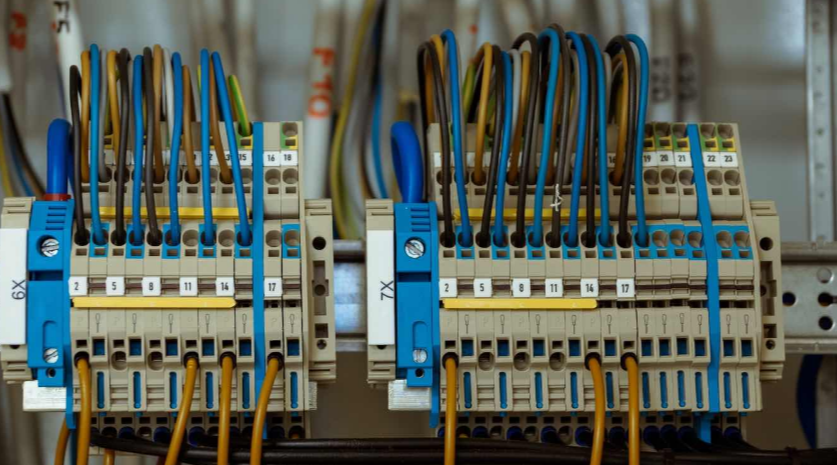
A power switch board is one of the most essential components of any electrical distribution system. It serves as the central point for receiving, controlling, protecting, and distributing electrical power to various circuits within residential, commercial, industrial, and utility facilities. Without a properly designed power switch board, managing electrical loads safely and efficiently would be extremely challenging.
As modern buildings and industrial operations become increasingly dependent on reliable electricity, the importance of power switch boards continues to grow. These systems help ensure uninterrupted power distribution, improve electrical safety, and protect valuable equipment from overloads, short circuits, and other electrical faults. From small commercial buildings to large manufacturing plants and utility substations, power switch boards play a critical role in maintaining stable and efficient electrical operations.
This comprehensive guide explores everything you need to know about power switch boards, including their working principles, components, types, applications, benefits, installation requirements, maintenance practices, and future trends.
What Is a Power Switch Board?
A power switch board is an electrical assembly that receives incoming electrical power and distributes it to multiple outgoing circuits while providing control, monitoring, and protection functions. It acts as the primary distribution center for electrical systems and ensures that power reaches connected equipment safely and efficiently.
Power switch boards contain a variety of electrical devices, including circuit breakers, switches, busbars, meters, and protective relays. These components work together to manage electrical energy and protect the system from abnormal operating conditions.
Key functions of a power switch board include:
- Power distribution
- Circuit protection
- Load control
- Fault isolation
- System monitoring
- Equipment protection
These functions make power switch boards indispensable in modern electrical infrastructure.
How Does a Power Switch Board Work?
Understanding how a power switch board operates helps explain its importance in electrical systems.
The switch board receives electrical power from a utility supply, generator, transformer, or other source. It then distributes the power through multiple circuits while continuously monitoring operating conditions. If a fault occurs, protective devices within the switch board isolate the affected circuit to prevent damage and maintain system safety.
The basic operating process includes:
- Receiving incoming electrical power
- Distributing electricity to connected loads
- Monitoring current and voltage levels
- Detecting faults or abnormalities
- Disconnecting faulty circuits
- Maintaining reliable power flow
This coordinated operation ensures safe and efficient electrical distribution.
Main Components of a Power Switch Board
A power switch board consists of several critical components that work together to provide protection and control.
Each component serves a specific purpose within the electrical distribution system.
The primary components include:
Circuit Breakers
Circuit breakers automatically interrupt electrical flow during overloads or short circuits.
Busbars
Busbars distribute electrical power throughout the switch board assembly.
Switches
Switches allow operators to manually control electrical circuits.
Protective Relays
Protective relays monitor system conditions and activate protection devices when faults occur.
Meters and Monitoring Devices
Meters provide real-time information about electrical parameters such as voltage, current, frequency, and energy consumption.
Control Panels
Control panels allow operators to monitor and manage electrical systems effectively.
Enclosures
Protective enclosures safeguard internal components from environmental conditions and accidental contact.
Importance of Power Switch Boards in Electrical Systems
Power switch boards are the foundation of safe and organized electrical distribution. They provide centralized control while protecting equipment and personnel from electrical hazards.
Without power switch boards, electrical systems would be vulnerable to faults, overloads, and operational inefficiencies.
Their importance includes:
- Safe power distribution
- Improved equipment protection
- Enhanced electrical safety
- Simplified system management
- Reduced downtime
- Increased operational reliability
These benefits contribute significantly to overall system performance.
Types of Power Switch Boards
Different facilities require different switch board configurations depending on their electrical demands and operational requirements.
Understanding the available types helps ensure proper equipment selection.
Common types include:
Main Power Switch Boards
Main switch boards serve as the primary electrical distribution point within a facility.
Applications include:
- Industrial plants
- Commercial buildings
- Hospitals
- Educational institutions
Sub Switch Boards
Sub switch boards receive power from the main switch board and distribute it to specific areas or departments.
Generator Switch Boards
Generator switch boards manage power supplied by standby or emergency generators.
Automatic Transfer Switch Boards
These systems automatically transfer loads between utility power and backup power sources during outages.
Applications of Power Switch Boards
Power switch boards are used in virtually every industry and building type because they are essential for managing electrical power safely and efficiently.
Their flexibility allows them to support a wide variety of applications.
Common applications include:
- Manufacturing facilities
- Commercial complexes
- Data centers
- Hospitals
- Hotels
- Airports
- Shopping malls
- Educational campuses
- Government buildings
- Utility substations
Each application depends on reliable power distribution for continuous operation.
Advantages of Using a Power Switch Board
Organizations invest in high-quality power switch boards because they offer numerous operational and safety benefits.
These advantages help improve efficiency and reduce operational risks.
Major benefits include:
Improved Safety
Protective devices reduce the risk of electrical accidents and equipment damage.
Reliable Power Distribution
Power is distributed efficiently to multiple circuits and loads.
Better Fault Protection
Faults are detected and isolated quickly to minimize disruptions.
Simplified Maintenance
Centralized equipment makes maintenance activities easier and safer.
Scalability
Many switch boards can be expanded to support future growth.
Enhanced Energy Management
Monitoring capabilities help organizations optimize energy usage.
Electrical Ratings and Specifications
Selecting the correct power switch board requires understanding its technical ratings and specifications.
Properly matched equipment ensures safe operation and long-term reliability.
Important specifications include:
- Rated voltage
- Rated current
- Short-circuit capacity
- Frequency
- Busbar rating
- Protection level
- Enclosure type
- Environmental rating
These specifications should be carefully evaluated during system design.
How to Choose the Right Power Switch Board
Choosing the right power switch board involves assessing both current and future electrical requirements.
A structured selection process helps maximize performance and return on investment.
Key considerations include:
Load Requirements
Accurate load calculations help determine the appropriate switch board capacity.
Voltage Levels
The switch board must be compatible with system voltage requirements.
Fault Current Capacity
The equipment should safely withstand potential fault currents.
Environmental Conditions
Installation environments influence enclosure and protection requirements.
Future Expansion Plans
Selecting equipment with expansion capability helps accommodate growth.
Installation Requirements for Power Switch Boards
Proper installation is critical for ensuring reliable operation and compliance with safety standards.
Following recommended practices helps maximize equipment lifespan.
Important installation considerations include:
- Adequate ventilation
- Proper grounding
- Structural support
- Accessibility for maintenance
- Cable management
- Environmental protection
- Compliance with local codes
Professional installation is strongly recommended.
Safety Features of Modern Power Switch Boards
Modern power switch boards incorporate advanced safety features designed to protect both equipment and personnel.
These features help minimize risks associated with electrical operations.
Common safety features include:
Circuit Protection
Protective devices isolate faults before significant damage occurs.
Arc Flash Mitigation
Arc-resistant designs reduce the effects of electrical faults.
Ground Fault Protection
Ground fault systems detect leakage currents and improve safety.
Interlocking Mechanisms
Interlocks prevent unsafe operating procedures.
Temperature Monitoring
Continuous monitoring helps identify overheating conditions.
These safety measures contribute to a safer working environment.
Maintenance of Power Switch Boards
Routine maintenance is essential for ensuring reliable performance and preventing unexpected failures.
A proactive maintenance program helps maximize equipment lifespan.
Typical maintenance activities include:
Visual Inspections
Regular inspections help identify physical damage, corrosion, or contamination.
Cleaning
Removing dust and debris improves cooling and reliability.
Electrical Testing
Testing verifies proper operation of protective devices and circuits.
Thermal Imaging
Infrared inspections identify overheating components before failures occur.
Connection Tightening
Loose electrical connections can create resistance and excessive heat.
Regular maintenance supports long-term operational reliability.
Common Problems and Troubleshooting
Although power switch boards are highly reliable, occasional issues may arise during operation.
Understanding common problems helps maintenance teams respond effectively.
Typical issues include:
Overheating
Often caused by overloaded circuits or loose connections.
Frequent Circuit Breaker Tripping
May indicate overloads, short circuits, or equipment faults.
Corrosion
Environmental exposure can affect switch board performance.
Insulation Failure
Aging insulation materials may reduce safety and reliability.
Voltage Imbalances
Uneven loading can negatively affect system performance.
Routine inspections help prevent these issues from escalating.
Industry Standards and Compliance
Power switch boards must comply with recognized standards to ensure safety, performance, and reliability.
Compliance supports regulatory approval and long-term system operation.
Common standards include:
- IEC standards
- IEEE standards
- ANSI standards
- NEC requirements
- UL certifications
- Local electrical regulations
Adhering to these standards demonstrates commitment to quality and safety.
Energy Efficiency and Power Management
Energy efficiency is becoming increasingly important for organizations seeking to reduce operating costs and environmental impact.
Modern power switch boards support energy management through advanced monitoring and control features.
Benefits include:
- Reduced energy waste
- Lower operating costs
- Improved load balancing
- Enhanced power quality
- Better resource utilization
These capabilities contribute to sustainable facility operations.
Future Trends in Power Switch Board Technology
Technological advancements continue to transform power distribution systems and improve switch board capabilities.
Modern organizations increasingly require intelligent electrical infrastructure.
Emerging trends include:
- Smart switch boards
- IoT integration
- Remote monitoring
- Predictive maintenance
- Digital power management
- Advanced analytics
- Enhanced cybersecurity
These innovations are helping organizations improve efficiency, reliability, and operational visibility.
Why Businesses Invest in Power Switch Boards
Businesses across all sectors rely on power switch boards because they provide a dependable foundation for electrical operations.
Their ability to manage power safely and efficiently makes them a critical long-term investment.
Organizations choose power switch boards because they offer:
- Reliable performance
- Enhanced safety
- Improved efficiency
- Better fault protection
- Long service life
- Scalability for growth
- Simplified maintenance
These benefits support continuous operations and business success.
Conclusion
A power switch board is a fundamental component of modern electrical systems, serving as the central hub for power distribution, control, monitoring, and protection. From commercial buildings and industrial facilities to hospitals and utility substations, power switch boards ensure that electrical energy is delivered safely, efficiently, and reliably.
By understanding their components, functions, applications, benefits, installation requirements, and maintenance needs, organizations can make informed decisions that improve system performance and reduce operational risks. As technology continues to evolve, power switch boards will become even smarter, more efficient, and more integral to modern electrical infrastructure.
Investing in a high-quality power switch board is a strategic decision that supports safety, reliability, and long-term operational success.