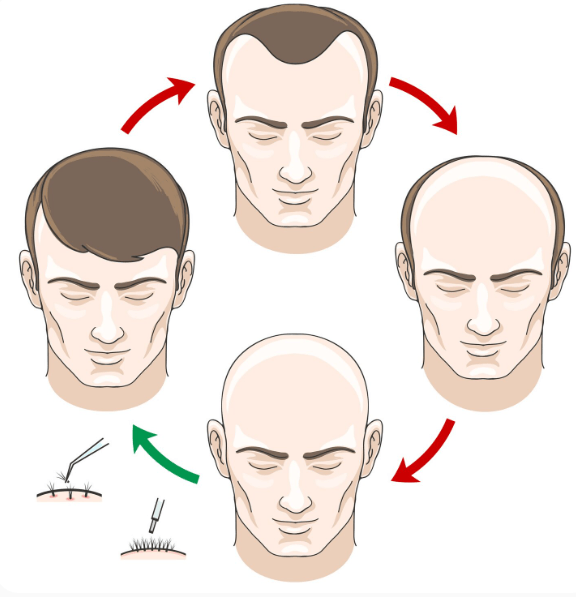
Hair restoration technology has come a long way in the last few decades owing to advances in technology. The hair restoration methods available nowadays are precise, less invasive, and produce results that look more natural than ever before. Technology is still making waves in this area. Below are five interesting facts about technological advancements in hair restoration.
Advanced Digital Scalp Analysis Improves Treatment Planning
A major advancement in the field of hair restoration technology is the use of digital scalp analysis. With the aid of high-quality imaging devices, professionals can determine a patient’s hair density, follicle health, scalp conditions, and the pattern of hair loss with amazing accuracy. Through these techniques, the professional can design a personalised plan for the patient instead of working with generalisations. As a result, patients receive targeted recommendations that can maximise effectiveness while minimising unnecessary interventions. Detailed assessments also make it easier to monitor progress throughout the treatment journey.
Artificial Intelligence Enhances Precision and Decision-Making
The role of artificial intelligence is becoming increasingly significant within hair restoration clinics. Software that uses artificial intelligence can analyse the vast patient database, detect trends in hair loss, and help doctors in forecasting the results of the procedure. The software makes decisions based on a thorough analysis of donor sites and possible graft needs. Greater precision allows the specialists to come up with hair restoration plans in accordance with patients’ long-term objectives. The technology also helps streamline consultations by generating data-driven insights quickly.
Modern Surgical Procedures Deliver Natural Results
The technology of surgical hair restoration has made great strides, especially in countries like Australia, where the majority of hair restoration clinics are equipped with high-tech equipment and sophisticated methods of transplanting hair. Follicular Unit Extraction (FUE) and other modern procedures rely on highly accurate follicular unit extraction. Many individuals choose to get professional hair implants in Sydney to achieve natural and long-lasting results. Advanced instruments reduce tissue trauma and support faster recovery while helping create realistic hairlines that blend seamlessly with existing hair. Continuous improvements in surgical technology have contributed to higher graft survival rates and more predictable outcomes.
Robotic Systems Increase Efficiency and Consistency
The advent of robotic technology has brought in a new standardisation element in hair restoration operations. Robotic systems help experts in selecting appropriate donor follicles as well as in the extraction of these follicles. Robotic technologies have the ability to process huge amounts of visual data at faster speeds, thus minimising errors in certain steps in treatment. Although experts will still play an important role in the entire procedure, robotics helps in bringing about efficiency and standardised outcomes across a wide range of cases. Enhanced precision can be especially beneficial when treating larger restoration areas.
See also: Wearable Health Devices Explained
Regenerative Technologies Support Hair Growth
There are many exciting avenues being opened up by regenerative medicine when it comes to dealing with hair loss. Growth factor, PRP therapy, and biological treatments are some examples that are being researched and developed to activate dormant hair follicles and maintain good scalp condition. More studies are going on to develop novel therapies that may help in growing hair along with conventional hair restoration techniques. These innovations offer additional options for individuals seeking non-surgical support alongside traditional procedures. Ongoing clinical studies continue to expand understanding of their long-term effectiveness and potential applications.
In summary, technology still makes changes in the process of hair restoration by means of using better diagnostic methods, artificial intelligence analysis, more efficient surgery, robotic support, and regenerative therapy. With the development of science, further inventions will provide even more effective results for those who want to restore their hair. The combination of medical expertise and technological innovation is likely to shape the next generation of hair restoration treatments.